Building Healthy Coping Mechanisms for Stress and Emotional Overload

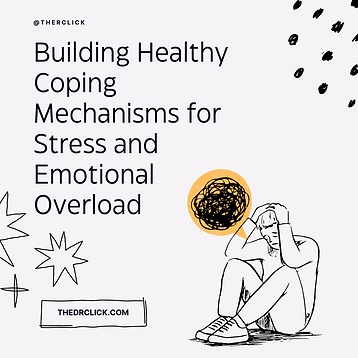
In our fast-paced and demanding world, stress and emotional overload have become common experiences. Developing healthy coping mechanisms is crucial for maintaining well-being and effectively managing these challenges. In this essay, we will explore strategies that can help individuals build healthy coping mechanisms to navigate stress and emotional overload.
Self-Awareness and Mindfulness
Self-awareness is the foundation for building healthy coping mechanisms. By cultivating mindfulness, individuals can develop a non-judgmental awareness of their thoughts, emotions, and bodily sensations. Mindfulness allows for the identification and acknowledgment of stress triggers and emotional overload. This heightened self-awareness enables individuals to respond to these challenges with greater clarity and intention, fostering healthier coping strategies.
Healthy Lifestyle Habits
Maintaining a healthy lifestyle is integral to coping with stress and emotional overload. Engaging in regular physical activity, getting adequate sleep, and adopting a balanced diet are essential for overall well-being. These habits promote the release of endorphins, reduce cortisol levels, and contribute to improved emotional resilience. Incorporating relaxation techniques such as deep breathing exercises, meditation, or yoga further enhances stress management and emotional regulation.
Building a Supportive Network
Having a supportive network is invaluable in times of stress and emotional overload. Surrounding oneself with understanding and empathetic individuals provides an outlet for sharing feelings and receiving validation. Friends, family, or support groups can offer different perspectives, advice, and emotional support. Seeking professional help from therapists or counselors can also provide valuable guidance and strategies for coping with stress and emotional challenges.
Healthy Coping Strategies
Developing healthy coping strategies is crucial for managing stress and emotional overload. Engaging in activities that promote relaxation and self-care, such as hobbies, reading, or spending time in nature, can help restore balance and recharge mental and emotional energy. Expressive outlets like journaling, art, or music allow for the processing and release of emotions. Additionally, setting boundaries, practicing effective time management, and learning to say no can prevent overwhelm and reduce stress levels.
Building healthy coping mechanisms is essential for managing stress and emotional overload. By cultivating self-awareness, adopting a healthy lifestyle, building a supportive network, and engaging in healthy coping strategies, individuals can effectively navigate these challenges. These strategies contribute to improved well-being, emotional resilience, and a greater sense of control in the face of stressors.


Comments